
Hormonal vs. Non-Hormonal IUD: Which Is Right for You?
Choosing the right birth control is an important decision. This guide covers the key differences between hormonal and non-hormonal options to help you have a more informed conversation with your provider. Women exploring contraceptive options in Williamsburg, VA, can benefit from understanding how each type works, what side effects to expect, and which may be a better fit for their lifestyle and health history.
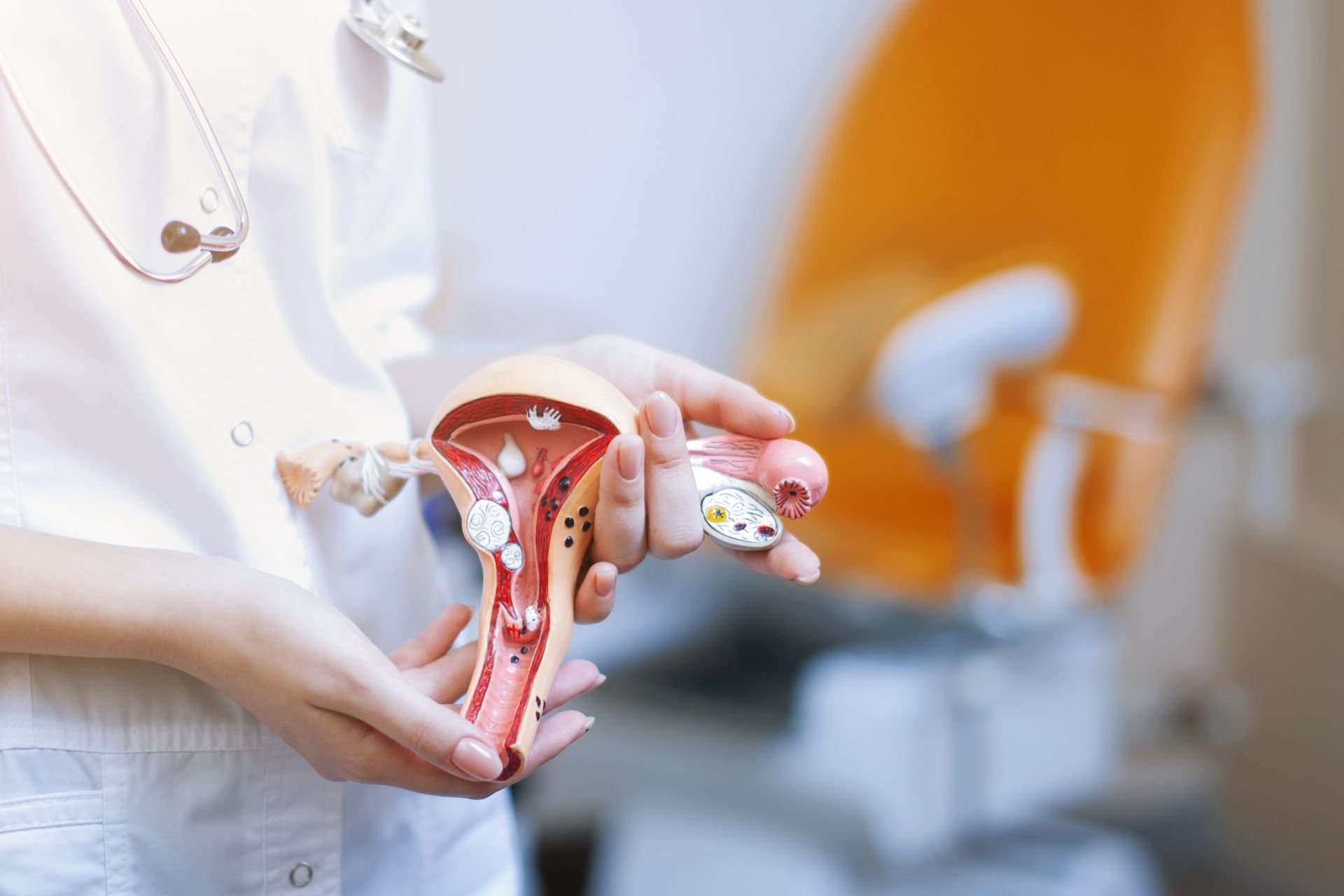
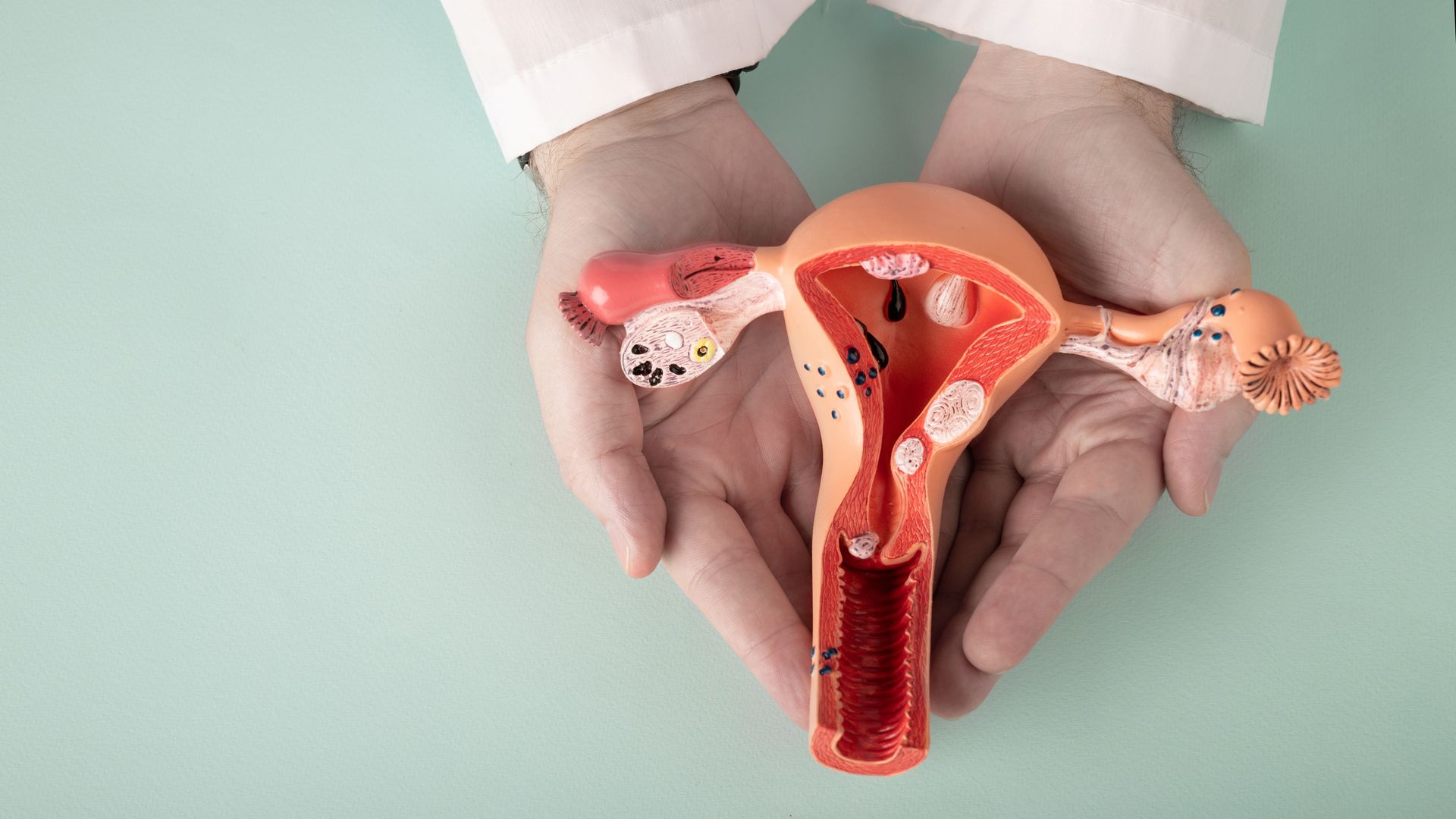
An IUD (intrauterine device) is a small, T-shaped device placed inside the uterus by a gynecologist. There are two main categories: hormonal and copper (non-hormonal). Both are highly effective forms of long-acting reversible contraception that require no daily action once in place.
How Hormonal IUDs Work
Hormonal devices prevent pregnancy by releasing a low, steady dose of progestin. This hormone thickens cervical mucus so sperm cannot easily reach an egg and thins the uterine lining to make implantation unlikely. Some users may also experience reduced ovulation, though this varies.
Several hormonal brands are available, differing mainly in duration and progestin dose. Most last three to eight years, depending on the device your provider recommends.
Possible Benefits of a Hormonal Device
- It often leads to lighter periods, or no periods at all, over time.
- It may reduce cramping and menstrual pain.
- A hormonal device can help manage conditions like endometriosis or heavy bleeding.
- Fertility generally returns quickly after removal.
Possible Side Effects of a Hormonal Device
Some women notice irregular spotting during the first few months. Mood changes, headaches, or acne may occur because progestin is a synthetic hormone. These effects tend to ease over time but are worth discussing with your provider beforehand.
How the Copper IUD Works
The copper IUD is the only hormone-free long-term birth control device currently available. Copper ions create an environment that is inhospitable to sperm, preventing fertilization without hormones.
This device can remain effective for ten to twelve years, making it one of the longest-lasting reversible options. It can also be used as emergency contraception if inserted within five days of unprotected sex.
Possible Benefits of the Copper Option
- It contains no hormones, making it suitable for women who cannot or prefer not to use hormonal birth control.
- It may be a better fit for those with a history of hormone-sensitive conditions.
- Fertility generally returns quickly after removal.
- It provides continuous, long-term protection without daily maintenance.
Possible Side Effects of the Copper Option
The copper device can cause heavier periods and more intense cramps, particularly in the first few months. Women who already experience heavy bleeding should weigh this carefully. Symptoms often improve over time, though they do not resolve for everyone.
Which Option May Be Right for You?
The best choice depends on your health history, tolerance for hormones, and long-term family planning goals. A hormonal device may be a stronger fit if you want lighter periods or need help managing endometriosis. The copper option may suit you better if you want to avoid hormones entirely or want the longest possible protection.
Age, prior pregnancy history, and other health factors can also influence candidacy. A gynecologist can review your full medical history and help you identify which option aligns best with your needs.
Can I Get an IUD If I Have Never Been Pregnant?
Yes, IUDs are appropriate for many women regardless of pregnancy history, including teens and young adults. Insertion may feel more uncomfortable for those who have never been pregnant, but providers can discuss ways to reduce discomfort. A one-on-one consultation is the best way to determine your candidacy.
How Painful Is IUD Insertion?
Most women feel cramping and pressure during insertion, which typically lasts only a few minutes, though discomfort varies by person. Your provider may recommend taking an over-the-counter pain reliever beforehand. Some cramping may continue for a day or two after insertion but usually resolves on its own.
How Long Does It Take for an IUD to Work?
A hormonal device may take up to seven days to become effective if inserted outside your menstrual period. The copper option works immediately after insertion and can also serve as emergency contraception. Your provider will give specific guidance based on your timing and situation.
Can an IUD Be Removed If I Change My Mind?
Yes, both types can be removed at any time by a trained provider, and fertility typically returns quickly. You do not need to wait until the device reaches its expiration date.
Ready to Explore Your Options? Schedule a Consultation Today
No comparison guide replaces a real conversation with a board-certified gynecologist who knows your health history. West End Obstetrics & Gynecology provides comprehensive gynecological care, including personalized contraceptive consultations, to support women at every stage of life. To learn more or book an appointment, visit the
gynecological care page or
contact the office directly. Call
804-282-9479 to speak with the team. You can also find and review the practice on Google:
West End Obstetrics & Gynecology.