
How Long Does an IUD Last and When Should You Plan Its Removal?
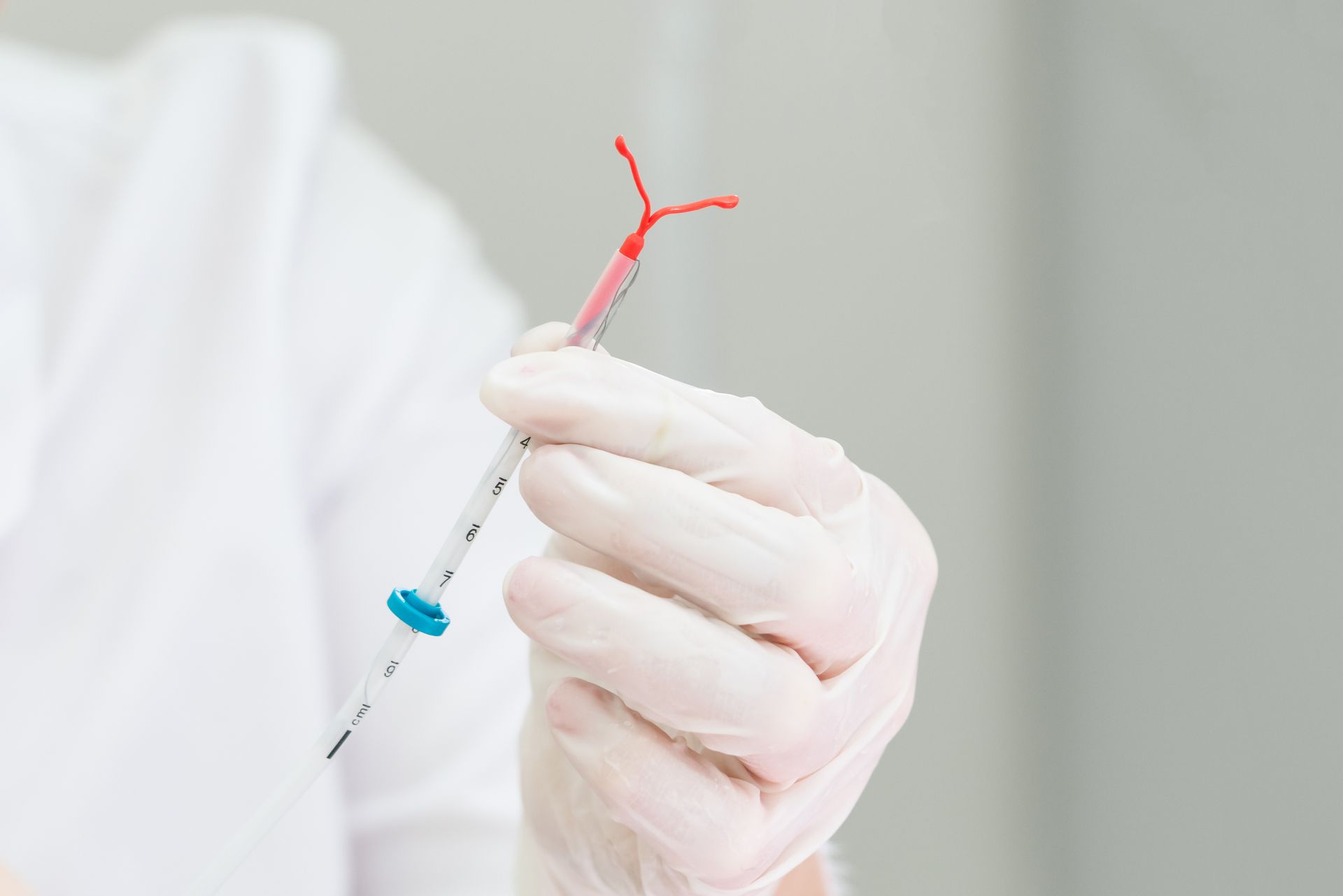
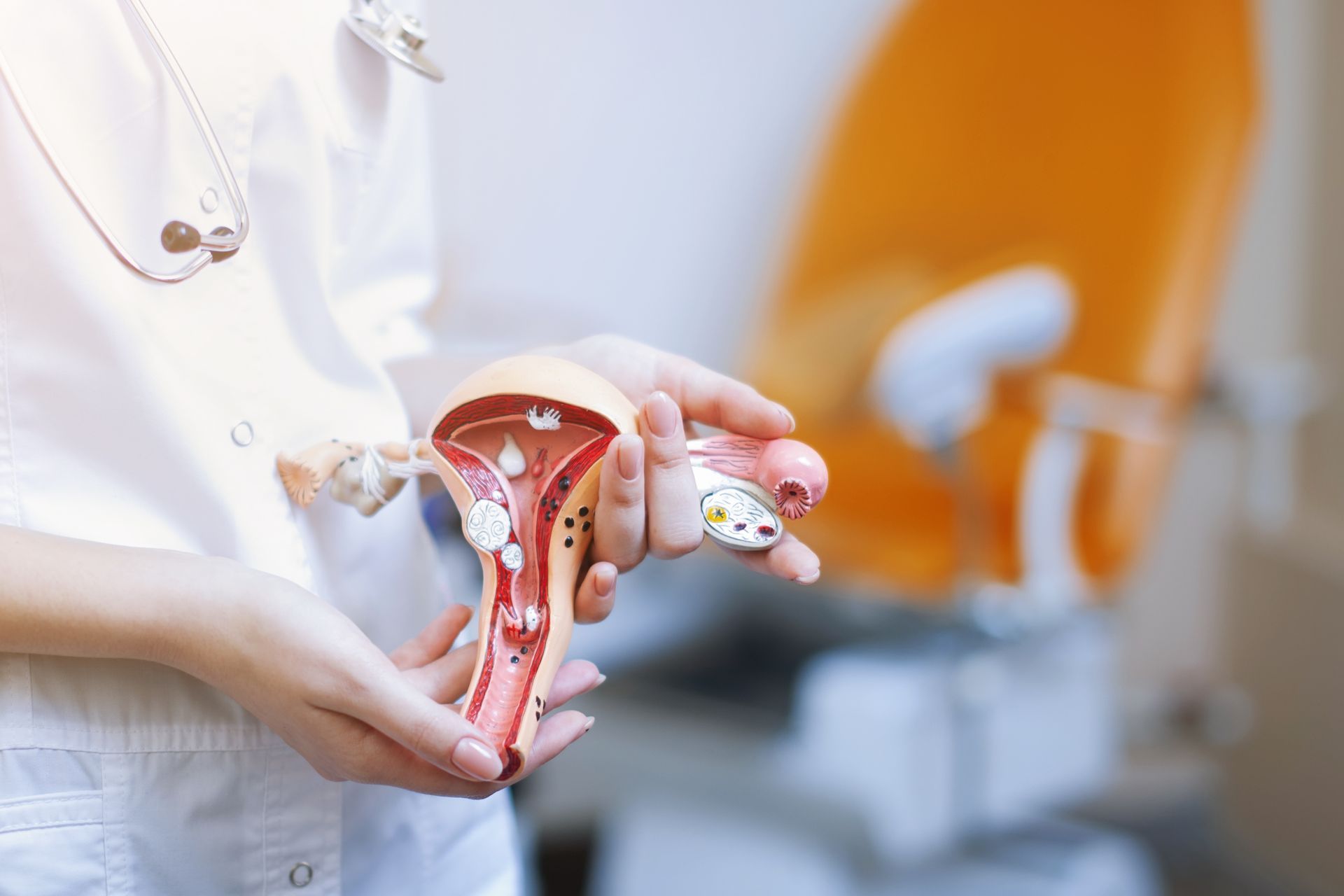
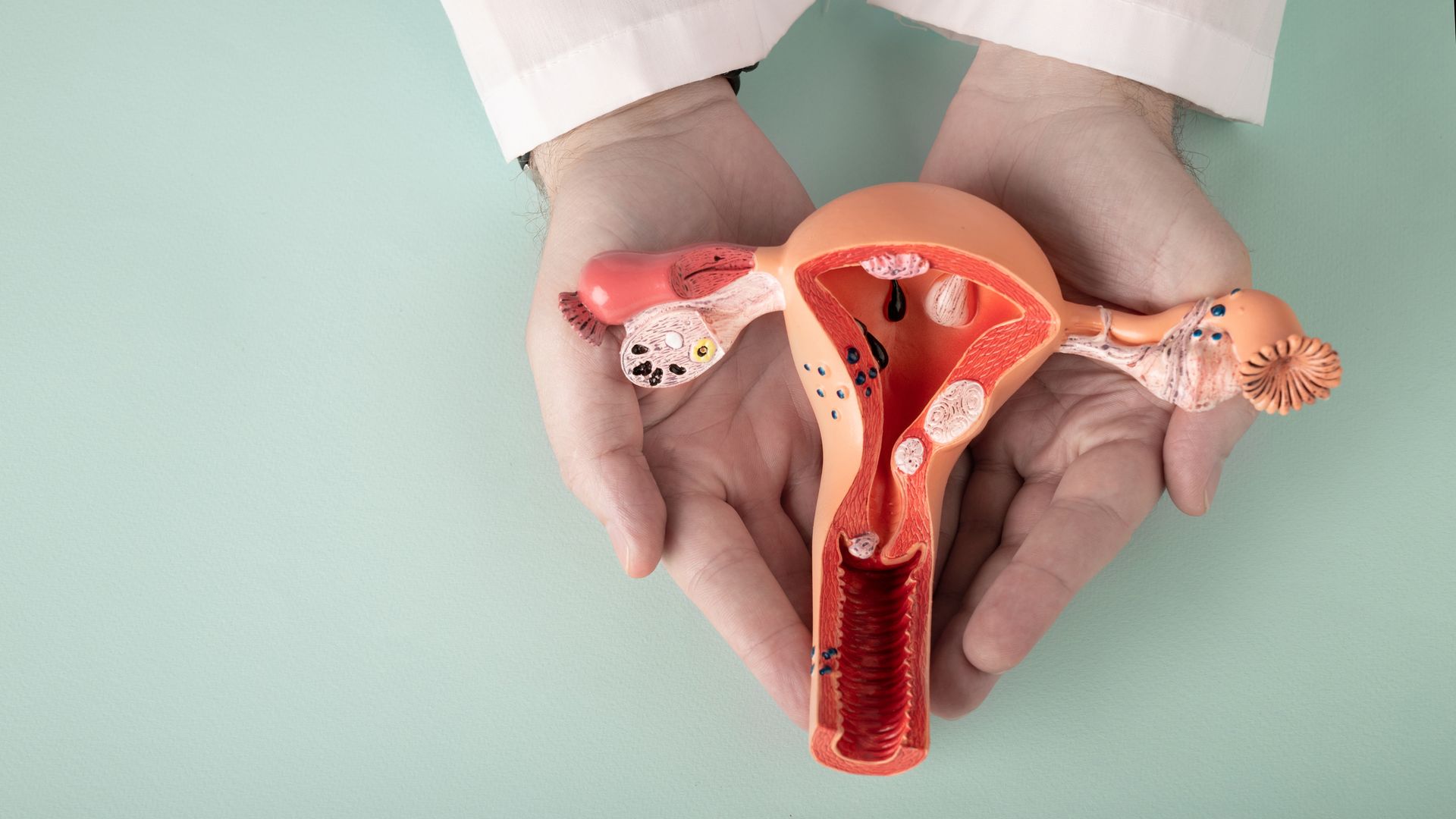
An intrauterine device is one of the most effective and convenient long-acting birth control methods available, and understanding how long each type lasts can help you plan ahead with confidence. Whether you are considering getting one for the first time or wondering when your current device should come out, knowing your timeline matters. Women in the Williamsburg, VA, area who have questions about this form of care can work with a trusted gynecology team to create a plan that fits their life and goals.
How Long Does Each Type of IUD Last?
Different devices are approved for different lengths of time. The right choice depends on your health history, cycle preferences, and future pregnancy plans.
List of services
-
Hormonal IUDsList Item 1
Hormonal devices release a small, steady amount of progestin to prevent pregnancy. Several brands are available, and their approved durations vary.
▸ Mirena may remain in place for up to eight years.
▸ Liletta is approved for up to eight years as well.
▸ Kyleena can typically stay in place for up to five years.
▸ Skyla, the smallest hormonal option, is approved for up to three years.
Hormonal devices may also reduce or eliminate monthly periods, a benefit many patients welcome.
-
Copper IUDsList Item 2
The copper option, sold under the brand name Paragard, works without hormones. It can remain effective for up to ten years, making it the longest-lasting choice currently available. It is also the only IUD that can be used as emergency contraception when placed within a short window after unprotected sex.
When Should You Plan to Have Your IUD Removed?
Removal timing depends on several personal factors. A device reaching its approved limit is only one of them.
List of services
-
Your Device Has Reached Its Approved TimeframeList Item 1
Every intrauterine device has an expiration point. Once that limit approaches, it may become less effective. Scheduling a removal and, if desired, a replacement around that time is a straightforward way to stay protected.
-
You Are Ready to Become PregnantList Item 2
Fertility can return quickly after removal. Many patients find their cycles return to normal within the first month or two. If you are planning a pregnancy, your care team can help you time the removal and talk through what to expect.
-
You Are Experiencing Side EffectsList Item 3
Some patients notice ongoing spotting, cramping, or other symptoms that do not improve over time. In those cases, a provider may recommend earlier removal to explore other options that feel more comfortable.
-
Your Health Needs Have ChangedList Item 4
Life circumstances shift. A change in relationship status, a new health diagnosis, or a preference to switch contraceptive methods are all valid reasons to revisit the plan and discuss removal at any time.
Keeping Track of Your Device Timeline
Staying aware of when your device was placed makes planning much easier. Most providers note the insertion date in your chart, and you can ask for a reminder as the end date approaches. Knowing your device type and its approved duration puts you in the best position to act before effectiveness may decline.
It also helps to stay consistent with annual well-woman exams. Your gynecologist can confirm that the device is properly positioned, check for any changes, and answer questions about timing. Patients in Williamsburg, VA, who are due for a checkup or want to review their status can schedule a visit to stay on top of their reproductive health.
What Happens During Removal?
Removal is typically a brief in-office procedure. A clinician grasps the device's strings and gently pulls it out. Most patients describe the sensation as a quick pinch or mild cramping, similar to what they felt during insertion. Recovery time is minimal for most people.
If you want a new device placed at the same visit, that is often possible. Your provider can insert a fresh one right away, so you do not have a gap in protection.
Talk to Your Care Team Before Making Changes
Your provider can give you the most accurate guidance for your specific device and situation. No two timelines are exactly alike, and a brief conversation with your OB-GYN can save a lot of guesswork. Avoid making decisions based on general estimates alone, since your device's approved duration may differ from a friend's or family member's.
If you are unsure of your insertion date or device type, that information is usually available through your patient portal or by calling the office directly.
Connect With Trusted IUD Care Serving Williamsburg, VA
West End Obstetrics & Gynecology provides IUD consultations, insertions, and removals for women throughout the region. The board-certified team can walk you through your options, help you track your removal timeline, and support your goals whether you want to stay protected or start a family. Visit the IUD birth control page to learn more about the devices available, or explore gynecological care for a full picture of services offered.
To schedule your appointment, call 804-282-9479 or reach the team through the contact page. Find West End Obstetrics & Gynecology on Google Maps to get directions and read patient reviews.